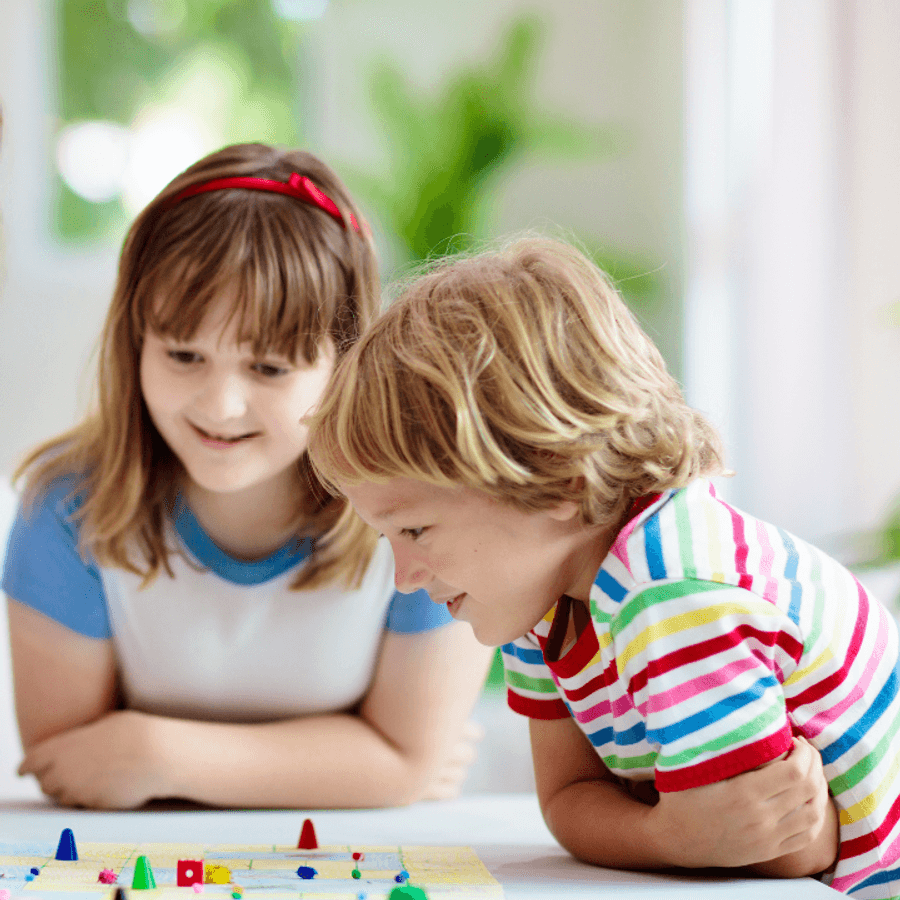
Keeping kids entertained indoors can be a real Freecreditmalaysia99 challenge, especially during rainy days, cold months, or when outdoor play isn’t an option. But instead of turning to screens or commercial toys, why not unleash your creativity and make your own fun? DIY indoor games for kids can be a fantastic way to engage their imaginations, promote learning, and encourage physical activity—all without needing to spend a lot of money on store-bought toys.
From simple crafts to active challenges, DIY games are perfect for children of all ages and can be tailored to fit your space, materials, and time. Whether you’re looking to keep them busy for an afternoon or want to develop an engaging, ongoing activity, these DIY indoor game ideas will provide hours of entertainment and learning. Here’s a list of creative, fun, and budget-friendly indoor games you can easily make at home.
- DIY Obstacle Course
Why It’s Great:
Obstacle courses are a fantastic way for kids to burn off energy and improve their motor skills. Plus, you can adjust the difficulty level to suit different ages.
How to Make It:
Use furniture and household items to create an exciting obstacle course in your living room or hallway. For example, have your child crawl under a table, jump over a pillow, balance on a line of tape on the floor, or hop between cushions. You can also use chairs to create tunnels, blankets as balance beams, or hula hoops for jumping through.
Pro Tip: Time them and encourage kids to beat their own records, or turn it into a friendly competition if multiple children are involved!
- Balloon Pop Challenge
Why It’s Great:
This game is a fun way to work on reflexes and coordination, while being simple to set up and engaging for kids.
How to Make It:
Blow up a few balloons and write various tasks or challenges on small pieces of paper (e.g., “hop on one foot for 10 seconds,” “do 5 jumping jacks,” “draw a smiley face”). Insert the paper inside the balloons before inflating them. Once the balloons are inflated, kids must pop them and perform the challenge inside each one.
Pro Tip: If you’re looking to add more variety, you can fill the balloons with confetti or small prizes instead of challenges for a surprise element.
- Sock Bowling
Why It’s Great:
Sock bowling is a low-cost, fun activity that helps develop hand-eye coordination and fine motor skills.
How to Make It:
Gather a few empty plastic bottles (six or ten work best) and line them up like bowling pins at the end of a hallway or room. Then, scrunch up some socks into balls and have the kids “bowl” by rolling the socks toward the pins. Each knocked-down pin earns a point, and the player with the most points after a set number of rounds wins.
Pro Tip: Add different challenges, like “bowl with your eyes closed” or “bowl while hopping on one foot” for more fun!
- DIY Indoor Scavenger Hunt
Why It’s Great:
Scavenger hunts are perfect for promoting problem-solving, memory, and observational skills, and they can be done in any space with minimal setup.
How to Make It:
Create a list of items that kids have to find around the house. You can make the hunt themed (e.g., nature items, something red, something soft) or use riddles and clues to make it more challenging. For younger kids, you can include pictures of the items to find; for older kids, include more complex clues or even hidden messages.
Pro Tip: Turn the scavenger hunt into a race and set a timer for added excitement. You can also give small rewards for finding each item!
- DIY Ring Toss
Why It’s Great:
Ring toss is a classic game that promotes focus, hand-eye coordination, and even counting skills.
How to Make It:
Create your own ring toss game using plastic bottles or cans and some rubber bands or hoops made from string. Place the bottles or cans in a row and challenge the kids to toss the hoops onto them. You can vary the difficulty by adjusting the distance or the size of the ring.
Pro Tip: Assign different point values to different bottles, and have the kids keep score to add a competitive element!
- Homemade Pin the Tail on the Donkey
Why It’s Great:
This is a great sensory game for younger children, promoting spatial awareness and cooperative play.
How to Make It:
Draw or print a large picture of a donkey (or any animal, like a cat or dinosaur), and cut out a “tail” made of paper or felt. Blindfold the kids, spin them around gently, and then have them try to pin the tail in the correct spot. The person who gets closest to the right spot wins.
Pro Tip: To make the game more personal, customize it with your child’s favorite character or theme (e.g., “Pin the Hat on the Pirate”).
- DIY Twister
Why It’s Great:
Twister is an excellent game for physical activity, improving balance, and coordination. Plus, it’s fun for both kids and adults.
How to Make It:
All you need is a large sheet of paper or a vinyl cloth and some colored markers or stickers. Draw a grid with colored circles, just like the classic Twister mat. Label the circles with different body parts (e.g., right hand, left foot, etc.) and play the game the same way you would with a store-bought Twister set.
Pro Tip: To make the game more challenging, add extra colors or increase the number of body parts they need to place on each circle!
- Paper Plate Frisbee
Why It’s Great:
This simple game works on gross motor skills and hand-eye coordination while providing a fun, active way to burn off some energy.
How to Make It:
Take a paper plate and cut it into a circle (you can even decorate it with markers or stickers to make it colorful). Use it as a frisbee and challenge the kids to throw it into a target, like a laundry basket or a box. You can also play catch with it or create a competitive game by seeing who can throw it the furthest or most accurately.
Pro Tip: If the weather allows, take this game outdoors for an expanded area to toss and play!
- DIY Memory Game
Why It’s Great:
A memory game helps kids improve cognitive abilities, such as focus, concentration, and memory.
How to Make It:
Create a memory card game by cutting out small squares of paper or cardboard. Draw pictures or numbers on pairs of cards, keeping them simple and recognizable for younger children (e.g., animals, fruits, shapes). Lay the cards face down, and the child must flip two at a time to find matching pairs.
Pro Tip: To make the game more challenging for older kids, add more pairs or use words and phrases instead of pictures.
- Indoor Hopscotch
Why It’s Great:
Hopscotch promotes balance, coordination, and physical activity, and it can be easily adapted for indoor play.
How to Make It:
Use masking tape or painter’s tape to create hopscotch squares on the floor. Then, have the kids use a small object (like a coin or button) as a marker and take turns tossing it onto a square while hopping through the numbers.
Pro Tip: If you have limited space, you can make the hopscotch grid shorter or more compact, using fewer squares.
Conclusion
DIY indoor games for kids are a fantastic way to keep them entertained, active, and engaged without the need for expensive toys or gadgets. These simple, creative activities help foster important skills like teamwork, problem-solving, hand-eye coordination, and physical fitness—all while providing endless fun. Whether you’re crafting games from household items or inventing new activities, there’s no limit to the imagination you can bring to these DIY games.
 Site Title